Warren Buffett will go down in history as one of the best investors of our time. Over a 60-year career leading Berkshire Hathaway ( BRKA +0.39% ) ( BRKB +0.58% ) , Buffett time and again outperformed the stock market, and his investment philosophies have been closely watched and emulated for generations. But the company under Buffett, and his successor, Greg Abel, isn't afraid to make big moves.
Berkshire closed several positions in its portfolio this year, including selling its entire stake in credit card giants Visa and Mastercard . But it's not completely out of the credit business. It still has significant stakes in two companies that operate under different umbrellas in the credit space -- American Express ( AXP -0.54% ) and Moody's ( MCO -1.35% ) .
Berkshire Hathaway holds 22% and 14% stakes in these two credit stocks. And both are prototypical Berkshire holdings in the style of Buffett -- with reliable earnings, competitive advantages, and businesses that can grow over decades. Let's take a closer look at them both.
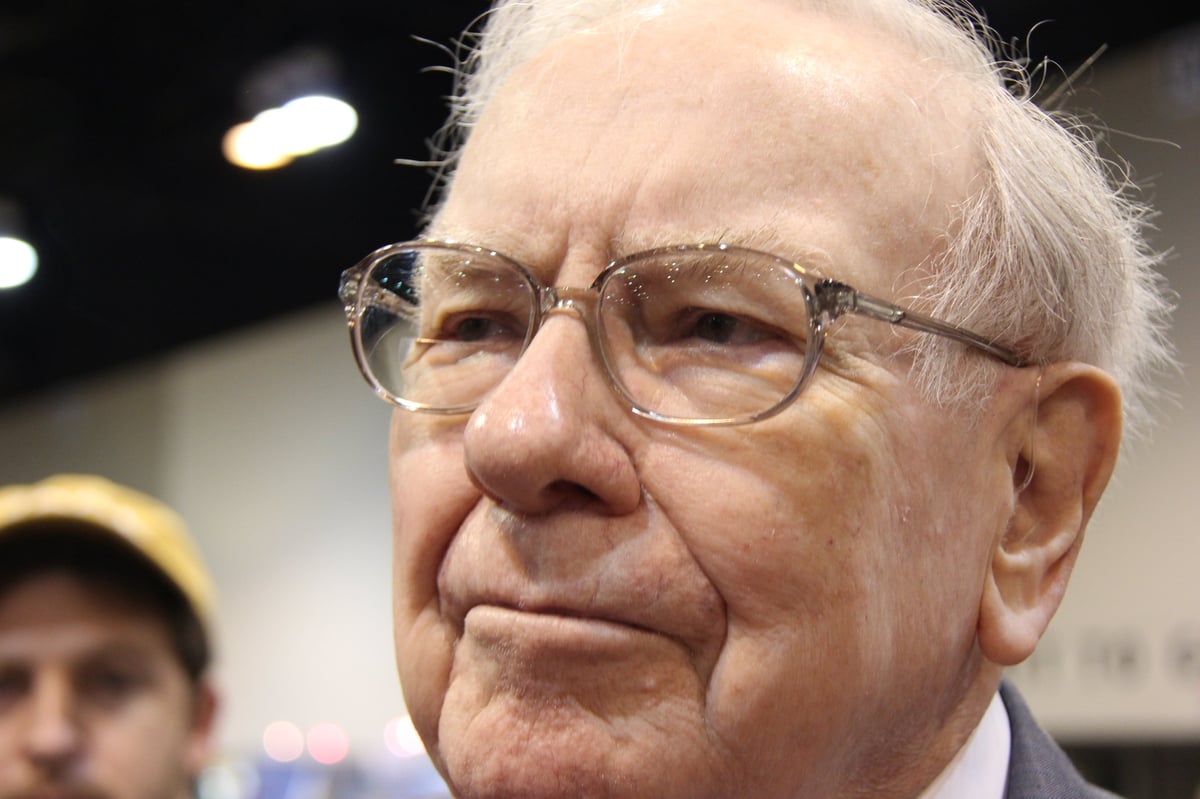
Retired Berkshire Hathaway CEO Warren Buffett. Image source: The Motley Fool. American Express American Express is a core Berkshire Hathaway holding.
Buffett first bought shares in 1964 after a financial scandal sent the company's stock plunging, recognizing that its brand and customer relationships were worth far more than the market was valuing. That investment worked out pretty well. Today, American Express is one of Berkshire's largest stock holdings, with a stake valued at more than $47 billion.
And I think there's a good reason Buffett has remained so loyal to the company. Unlike Visa and Mastercard, which primarily operate payment networks, American Express also issues cards and lends money directly to customers. That allows it to collect interest on outstanding balances, in addition to fees from merchants and cardholders, and provides another revenue stream to help beef up American Express' coffers.
American Express also targets businesses and affluent consumers who are willing to pay for premium benefits. Its revamped Platinum Card carries an annual membership fee of $895 -- a hefty price, but one that customers continue to accept in exchange for travel benefits and other rewards. In the second quarter of 2026, American Express reported revenue of $19.6 billion, up 10% from a year ago.
Card member spending increased 9%, while earnings per share climbed 11% to $4.53. The company also raised its full-year revenue growth outlook to 10%. I particularly like American Express's success in attracting younger customers.
Millennials and Generation Z represent an opportunity to build relationships that could generate spending and membership fees for decades. Its premium customer base, recognizable brand, and multiple revenue streams make American Express an attractive long-term investment. Premium Feature Moneyball Superscore 86 /100 Today's Change ( -0.54 %) $ -1.69 Current Price $ 309.84 Moody's Moody's isn't nearly as familiar to everyday investors as American Express, but it's a great company in its own right.
Moody's provides data, intelligence, and analytical tools, but it's best known for its credit ratings, which offer insights into the creditworthiness of companies, governments, and debt securities. Those ratings matter. A downgrade can make borrowing more expensive, while a strong rating can help companies raise money at more favorable interest rates .
One of Moody's biggest advantages is that the credit ratings business has relatively few major competitors. Moody's and S&P Global dominate the market, and it's not easy for a new company to break in. Investors and financial institutions rely on established ratings agencies to evaluate debt, giving Moody's a competitive advantage that's difficult to duplicate.
Moody's reported second-quarter 2026 revenue of $2.2 billion, an increase of 15% from a year ago. The results reflected growth in its ratings and analytics operations. Berkshire continues to hold approximately 24.7 million shares, a stake representing nearly 14% of the company.
Premium Feature Moneyball Superscore 87 /100 Today's Change ( -1.35 %) $ -6.37 Current Price $ 464.13 Two Buffett favorites worth keeping There's a reason Buffett spent decades emphasizing companies with strong competitive advantages rather than chasing whatever stocks happened to be popular. American Express has built a premium payments and lending business with customers who are willing to pay for its services. Moody's has established a valuable position in credit ratings and financial intelligence that's difficult for competitors to duplicate.
Both companies have demonstrated their ability to generate profits while protecting valuable positions in their respective markets. That's exactly the kind of business that long-term investors should consider for the long haul.
Source: The Motley Fool