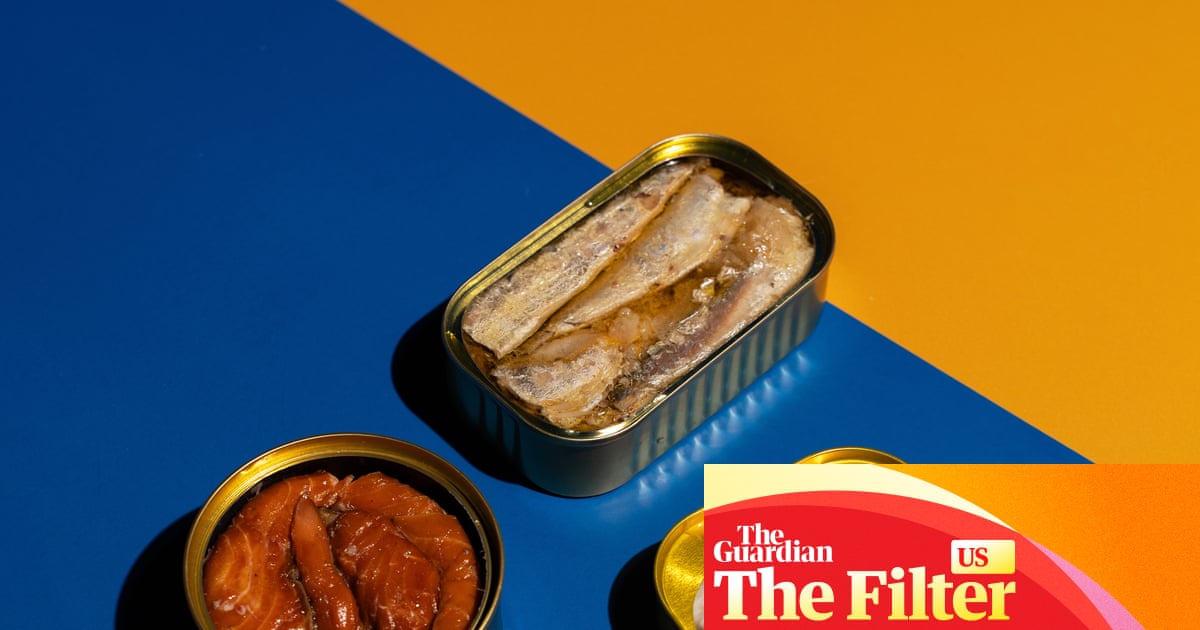
This past summer, I made tinned fish my personality . I lived out my pescatarian dream, trying 15 different varieties, from Fishwife’s trendy tuna to Wild Planet’s simple sardines . Before I began my testing , my editor had concerns, wondering: “What about all the mercury?” And: “Is it safe to eat every day?” I asked two registered dietitians, a professor who researches seafood sustainability and the author of a tinned fish cookbook , to help answer those queries and other common questions – and, if this is making you hungry, suggested my favorite tinned fish below.
Read the story: I spent months taste-testing 15 tinned fish varieties. These are the ones I’d eat again Meet our tinned fish experts Shyla Davis-Cadogan , registered dietitian David Love , environmental health and engineering professor at Johns Hopkins University Roxana Ehsani , registered sports dietitian Anna Hezel , author of Tin to Table: Fancy, Snacky Recipes for Tin-thusiasts and A-fish-ionados Photograph: Tracy Allison/The Guardian Can I eat tinned fish every day? It wouldn’t be a food I would recommend to eat every single day.
Certain tinned fish contain high levels of sodium and may also contain mercury. Plus, consuming tinned fish every day will crowd out other nutrient-dense foods from your plate. Roxan a Ehsani I would advise against eating fish like tinned albacore or yellowfin tuna on a daily basis out of concern for increased mercury exposure.
Small fish that do not typically accumulate more significant amounts of mercury, such as sardines, mackerel and herring, are fine to consume daily. Shyla Davis-Cadogan How worried should I be about mercury levels? The FDA does recommend that high-risk groups, such as pregnant women and young children, limit their intake of high-mercury fish such as albacore tuna.
It’s best to opt for lower-mercury fish such as salmon or sardines. RE Is wild-caught tinned fish healthier than farm-raised? Wild-caught fish is typically leaner and firmer in texture.
Farm-raised fish is more budget-friendly, richer in fat, and tends to have a fuller flavor. Both types provide nutrition that may confer cardiovascular benefits. Ultimately, consistently eating either option weekly is better than none of the options.
SDC Is tinned fish packed in oil healthier than packed in water? Neither is inherently healthier; it depends on preference and nutrition goals. Water-packed fish is lower in calories, while oil-packed fish provides a richer flavor and will be only slightly higher in calories, assuming it is consumed drained.
If choosing oil-packed fish, opt for ones packed in olive oil to maximize intake of heart-healthy monounsaturated fats. SDC Minnow Smoked Trout $13 What type of fish is the healthiest? Sockeye salmon is my go-to.
It’s a high-quality protein source and rich in essential omega-3 fatty acids that support heart, immune system and brain health. It also contains key nutrients like selenium and vitamin D, both of which play important roles in overall health. RE skip past newsletter promotion after newsletter promotion Wildfish Cannery Smoked Sockeye Salmon $14 Wildfish Cannery Smoked Sockeye Salmon $14 Sardines are the most nutritious.
One tin can provide nearly an entire day’s worth of vitamin D, and well over the vitamin B12 requirement. Also, when eaten with the bones, they are an incredible source of calcium. They are also a fantastic source of protein, as well as minerals such as selenium and iodine, which are important for thyroid health.
SDC Wild Planet Sardines in Olive Oil $36 How do you recommend building a meal around tinned fish? A Mediterranean salad: toss tinned salmon or tuna over a bed of arugula with cucumbers, olives, cherry tomatoes and a lemon-olive oil dressing. RE Wildfish Cannery Salmon from $14 One of my laziest meals that’s not in Tin to Table, but I make it all the time, is just flaking a bunch of sardines or mackerel with gochujang and mayo and sesame oil, and then just eating that on steamed rice with seaweed snacks to scoop it up.
Anna Hezel Gimme Seaweed Snacks $13 What sustainability certifications should I look out for? The Marine Stewardship Council (MSC) and the Aquaculture Stewardship Council (ASC). There are lots of standards out there; those are the big ones.
They aren’t perfect. You could look at some of their supply chains and find issues. What they are trying to do is an incremental change within the sector that they operate in and get the below-performing farms to do better.
David Love Other pieces you might enjoy from the Filter , the Guardian’s guide to buying fewer, better things: ‘Like dirty dish water’: the 10 best (and worst) whey protein powders, taste-tested Can I get too much protein? Experts answer your questions on the popular supplement Explore the Filter
Source: The Guardian